
Rafting and Fly Fishing the Togiak River and its Tributaries
On the west slope of the Wood-Tikchik mountains, the country begins to open up. The mountains flatten into rolling tundra, rivers start to braid and wander, and the feeling of remoteness grows quickly once the floatplane disappears over the horizon. For anyone wondering where to fish and float in Alaska, this landscape hints at the answer.
This is the Togiak drainage, a huge piece of southwest Alaska that sits inside the Togiak National Wildlife Refuge. The main Togiak River is a large system that eventually finds its way to the Bering Sea, anchoring one of the classic alaska fish and float rivers. But scattered throughout the drainage are smaller rivers and creeks that are perfectly suited for multi-day rafting and fishing trips.
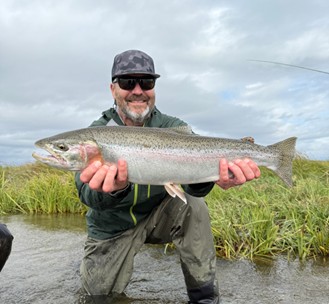
Tributaries like the Ongivinuk, Pungokepuk, Izavieknik, and Gechiak Creek wind through miles of open tundra and hilly terrain, offering ideal water for wilderness floats. These rivers hold strong populations of wild rainbow trout, Pacific salmon, Arctic grayling, and char, and because of their remote location they see very little angling pressure. For anglers seeking solitude, they are also celebrated fly fishing rivers that fish well from a raft.
For anglers who want to experience remote rafting in Alaska combined with world class fly fishing, this part of Alaska is hard to beat—an authentic alaska fly fishing destination.
Summary
Southwest Alaska’s Togiak drainage within the Togiak National Wildlife Refuge offers remote, multi-day rafting paired with world-class fly fishing across intimate tributaries and a larger mainstem river. Tributaries such as the Ongivinuk, Pungokepuk, Izavieknik, and Gechiak provide floatable, lightly pressured waters with wild rainbow trout, Arctic grayling, char, and abundant Pacific salmon. Trips typically start by floatplane from Dillingham and blend easy drifting, frequent fishing stops, gravel-bar camping, and frequent wildlife encounters. The piece outlines each river and explains why this drainage uniquely combines solitude, scenery, and consistently productive fishing.
Floating the Togiak Wilderness
Our trips begin with a floatplane flight from Dillingham out into the refuge. Once the gear is unloaded and the rafts are rigged, the plane lifts off and the trip truly begins. From that point on, the river sets the pace.
Days are usually a mix of floating and fishing. A group might drift a few miles, pull over to work a promising run, then hop back into the rafts and continue downstream. Gravel bars make natural camp spots, and evenings are spent cooking dinner while the river keeps sliding past camp. It’s a simple rhythm that works well in this remote country.
And the scenery doesn’t hurt either. Brown bears are common along the banks, caribou occasionally wander through the hills, and it’s not unusual to spot foxes, moose, or otters while drifting quietly downriver.
The Togiak drainage consists of multiple tributaries that each provide a unique experience and days of rafting, fishing, and camping before joining the main stem of the Togiak River.
The Ongivinuk
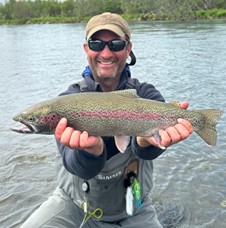 The Ongivinuk River flows out of Ongivinuk Lake and winds through 30 miles of tundra before meeting the Togiak. Long bends, steady current, and plenty of gravel bars make it ideal for rafting.
The river meanders through open country, and around almost every corner there seems to be another promising run. It’s the kind of place where you can step out of the raft, fish a bend thoroughly, and then float a few hundred yards to the next piece of water that looks just as good.
The upper sections of the river provide great fishing for grayling, char, and resident rainbows, while lower stretches fill up with large runs of Pacific Salmon as the summer goes on.
Pungokepuk Creek
The Pungokepuk is smaller and more intimate than the Ongivinuk, but that’s part of its charm.
Clear channels wind through tundra flats, and anglers often find themselves fishing smaller pockets of water rather than long sweeping runs. It’s a great river for those who enjoy working carefully through promising pools and seams. Sight fishing opportunities are plentiful in the shallower runs along the length of the Pungo.
Grayling are common here, and trout will often hold in deeper bends or along undercut banks. When salmon begin spawning, feeding lanes form in predictable places and produce world class fishing for trophy rainbows.
Izavieknik River
The Izavieknik is a remote stretch flowing from upper Togiak Lake to Togiak Lake proper. This is a shorter float, with less than 10 miles separating the two lakes.
Like much of Bristol Bay, the river’s productivity is driven by salmon. Once spawning begins, eggs drift through the current and resident arctic char and trout are drawn out of the lake into shallow runs and pools.
Floating the Izavieknik gives anglers the opportunity for a shorter float, or a slower paced adventure with multiple nights spent at one camp site.
Gechiak Creek
Gechiak Creek begins at Gechiak Lake and runs roughly twelve miles before joining the Togiak River, making it one of the smaller but more intimate tributaries in the drainage.
It’s smaller water with plenty of structure like cut banks, soft seams, and small runs where trout can hold comfortably. Fish here don’t see many flies, and they tend to respond well to a variety of presentations depending on the time of year.
Gechiak Creek is also known as an important spawning tributary for Chinook salmon in the Togiak system, and fisheries researchers have even used weirs on the creek to monitor king salmon runs in the watershed.
The Togiak
 The Togiak River itself is a much bigger piece of water than the tributaries feeding into it. By the time it reaches the lower drainage it has gathered water from dozens of creeks and lakes before eventually emptying into Togiak Bay and the Bering Sea.
Where the smaller tributaries feel intimate and technical, the main river feels expansive. Wide gravel bars, long runs, and deep outside bends define much of the Togiak’s character. The river moves with steady power, and in many stretches it’s large enough that jet boats are commonly used by local fishermen.
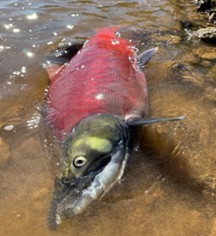
The mainstem of the Togiak serves as the last leg of our journey. After days spent floating the smaller tributaries, the river opens up and slows down. It also provides great chances at the huge schools of Pacific Salmon that are working their way up stream. Chinooks, Cohos, Chums, and Sockeye are all present as the summer progresses.
It’s also one of the best places on the trip to see wildlife. Brown bears frequently move along the gravel bars during salmon season, and it’s common to spot eagles, foxes, and even caribou while drifting the larger river.
Why These Rivers Are Ideal for Alaska Rafting Trips
There are plenty of places to fly fish in Alaska, but relatively few that combine excellent fishing with true wilderness rafting.The tributaries of the Togiak drainage offer exactly that.
The rivers are remote, lightly fished, and perfectly suited to rafts. Floating them allows anglers to cover miles of productive water while experiencing the kind of solitude that has become rare in much of the fishing world. It’s not unusual to spend several days on these rivers without seeing another group. For many anglers, that sense of space and quiet becomes just as memorable as the fishing itself.
The rivers feeding into the Togiak system may not be as widely known as some of Bristol Bay’s larger fisheries, but they offer something special. Miles of floatable water, healthy fish populations, and the kind of wilderness scenery that makes Alaska famous.
For anglers interested in rafting and fishing in Alaska, the Ongivinuk, Pungokepuk, Izavieknik, and Gechiak represent some of the most rewarding water in the state. And once the rafts push off and the river begins to carry you downstream, it doesn’t take long to understand why.
Question: What makes the Togiak drainage ideal for Alaska rafting and fly fishing?
Short answer: It uniquely combines true wilderness rafting with consistently productive, lightly pressured fisheries. The tributaries—Ongivinuk, Pungokepuk, Izavieknik, and Gechiak—are remote, raft-friendly, and hold healthy populations of wild rainbow trout, Arctic grayling, char, and abundant Pacific salmon. You get miles of floatable, intimate water, the solitude of rarely seeing another group, and the dramatic scenery and wildlife that make Alaska famous, all capped by the expansive mainstem Togiak.
Q&A
Question: How do you access the rivers, and what does a typical day on the trip look like?
Short answer: Trips begin with a floatplane flight from Dillingham into the Togiak National Wildlife Refuge. Once the rafts are rigged and the plane departs, the river sets the pace. Days blend easy drifting with frequent pull-offs to fish promising runs, and nights are spent on gravel-bar camps. The rhythm is simple—float, fish, camp—while the scenery rolls by and wildlife sightings are common.
Question: How do the main tributaries differ, and which one might be the best fit?
Short answer:
- Ongivinuk: About 30 miles from lake to confluence; steady current, long bends, ample gravel bars—great all-around rafting with grayling, char, and resident rainbows up high and strong salmon presence downstream as summer progresses.
- Pungokepuk: Smaller and intimate; clear channels and pocket water with excellent sight-fishing. Grayling are common; trout hold in deeper bends and undercut banks; salmon spawning creates predictable feeding lanes for trophy rainbows.
- Izavieknik: A short float (less than 10 miles) between upper Togiak Lake and Togiak Lake; salmon-driven productivity draws char and trout into shallow runs—ideal for a shorter itinerary or a slower-paced basecamp-style trip.
- Gechiak: Roughly 12 miles of small, structured water (cut banks, soft seams, short runs); trout respond well to varied presentations; it’s also an important Chinook spawning tributary that has hosted monitoring weirs.
Question: What fish species and fishing patterns can anglers expect?
Short answer: Across the drainage you’ll find wild rainbow trout, Arctic grayling, char, and large runs of Pacific salmon. Salmon—including Chinook, Coho, Chum, and Sockeye—stack into the system as summer advances, with the mainstem Togiak offering shots at huge migrating schools. Much of the system’s productivity is salmon-driven: when spawning begins, drifting eggs concentrate rainbows and char into shallow runs and predictable feeding lanes, creating exceptional fly-fishing opportunities.
Question: How remote are these trips, and what wildlife might you encounter?
Short answer: The rivers are truly remote and lightly fished—it’s not unusual to go several days without seeing another group. Wildlife encounters are part of the experience: brown bears are common along the banks, and you may also spot caribou, foxes, moose, otters, and eagles. The broader vistas and gravel bars of the mainstem Togiak often provide the best viewing.
Recent Comments