
Planning a DIY Alaska Float Trip with Fish & Float Alaska
For many anglers, the idea of planning a DIY Alaska float trip sits somewhere near the top of the adventure list. The thought of floating a remote river for a week, camping along gravel bars, and fishing water that sees little pressure is hard to ignore.
But the reality is that organizing a self-guided trip in Alaska takes more preparation than most anglers expect. Logistics, floatplanes, gear, food planning, and safety all have to be figured out before the first raft ever touches the water.
That’s where a program like Fish & Float Alaska comes in. Instead of trying to piece together every part of the trip yourself, they help handle the complicated logistics while still allowing anglers to run their own river and fish at their own pace.
The result is a trip that still feels like a true wilderness adventure, just without the stress of trying to coordinate everything on your own.
What a Self-Guided Float Trip Looks Like
A typical self-guided trip begins the same way most remote Alaska trips do: with travel through Anchorage and then a short flight into a small hub village like Iliamna or Dillingham. From there, floatplanes take anglers directly to the river.
Once the rafts and gear are unloaded, the plane departs and the trip begins. Most float trips last about seven days, though shorter and longer trips are possible depending on the river and group preferences.
The days quickly settle into a rhythm that feels natural on a wilderness river. You break camp in the morning, float and fish downstream, stop along promising runs or side channels, and set up camp on a good looking gravel bar that evening.
Unlike guided lodge trips, the schedule is entirely up to the group. Some days you might float several miles. Other days you might spend hours fishing a single stretch of water before moving on.
What Fish & Float Alaska Provides
Planning a float trip completely on your own can be complicated. Remote rivers require aircraft access, specialized rafts, and the right camping gear to spend several days on the water. Get one logistic wrong, and you will find yourself in a serious situation very quickly.
Fish & Float Alaska handles much of that heavy lifting.
For self-guided trips, we provide:
- floatplane flights to and from the river
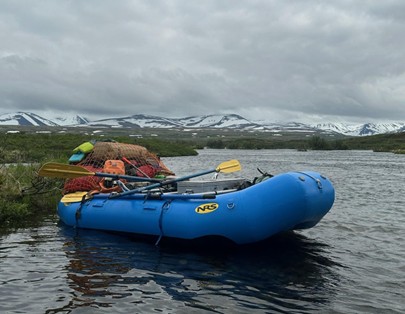
- rafts and rowing equipment
- tents and camping gear
- cooking equipment and river logistics
This approach allows anglers to maintain the independence of a DIY trip while avoiding the most difficult logistical challenges of organizing a remote Alaska float.
Choosing Between Guided and Self-Guided
For anglers with experience rowing rafts and traveling in remote places, a self-guided float trip can be the ultimate Alaskan adventure. But it’s important to be realistic about your group’s experience.
Guides bring valuable knowledge about:
- river navigation
- fishing techniques specific to the region
- camp setup and safety
- wildlife awareness
For many groups, a guided trip offers extra comfort and safety, especially for a first Alaska float. Others with rafting experience may prefer the independence of running their own river.
Either option can provide an incredible experience, it simply depends on what kind of adventure you want.
Gear Planning for a DIY Float Trip
Packing for Alaska requires some thought. Weather can change quickly, and most float trips involve spending a full week camping on the river.
A few gear items are especially important. Review our packing list here for a more exhaustive list for both guided and self-guided trips. Below are some of the basics.
Breathable stocking-foot waders are strongly recommended, as they are lighter, more comfortable, and pack smaller than traditional neoprene waders.
You’ll also need non-felt wading boots, as Alaska regulations require rubber-soled boots to help prevent the spread of aquatic invasive species.
Other essentials typically include:
- layered clothing and rain gear
- polarized sunglasses
- personal camping items
- fishing rods and flies
- lightweight food for the duration of the trip
Because floatplanes have weight limits, packing efficiently becomes important. We recommend not to exceed 45lbs in personal gear, so plan ahead to keep things simple and efficient.
Planning Food and Camp Life
A week on the river means planning meals that are lightweight and easy to pack. Most groups rely on freeze-dried backpacking meals, along with snacks like trail mix, jerky, and granola bars. Eating fish along the river when legal is a great dinner option to add some variety. Simple drink mixes like coffee, cider, or hot chocolate also become welcome additions on cold mornings or rainy evenings.
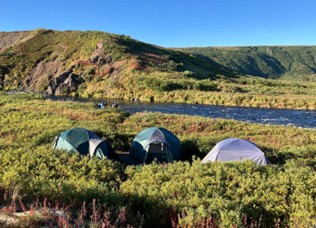
Camping along Alaska rivers is usually done on gravel bars, which provide flat ground and easy access to water. Evenings are often spent cooking dinner, sharing stories from the day’s fishing, and watching the light fade over the tundra hills. It’s a simple routine that quickly becomes one of the best parts of the trip.
Safety in the Alaska Wilderness
Remote float trips come with responsibilities. Groups should carry a satellite communication device such as a Garmin inReach, Zoleo or satellite phone with texting capabilities, to check in with loved ones, Fish and Float Staff and Float Plane Pilots, as well as emergency communication and GPS tracking while on the river.
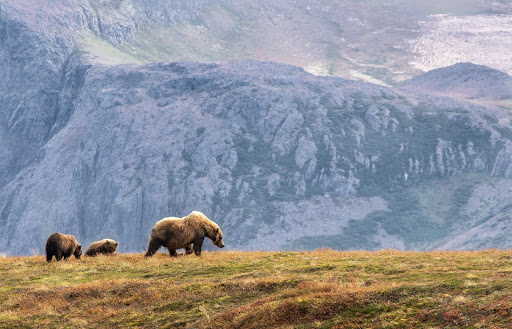
Wildlife awareness is also important. Bears are common throughout southwest Alaska, particularly during salmon season. Proper food storage, clean camps, and giving animals space are key parts of traveling safely in bear country. These are not complicated precautions, but they are essential when spending several days in remote wilderness.
Why DIY Trips Appeal to So Many Anglers
For many anglers, a self-guided float trip offers something that’s hard to replicate elsewhere.
You control the pace of the trip. You decide where to fish. And you experience the river on your own terms.
Days are shaped by weather, water, and curiosity rather than schedules. Some groups float long distances each day. Others move slowly, fishing every promising run along the way. Either way, the river sets the rhythm.
Final Thoughts
Planning a DIY Alaska float trip takes preparation, but it’s one of the most rewarding ways to experience the rivers of southwest Alaska.
By helping with the logistics like air travel, rafts, and river planning, Fish & Float Alaska makes it possible for anglers to run their own wilderness trip without having to solve every challenge themselves.
For those willing to pack carefully, plan ahead, and embrace the adventure, a self-guided float trip offers something few other fishing trips can match: the freedom to explore Alaska’s rivers entirely on your own terms. To inquire about your dream Alaskan float trip, visit our contact page here.
You May Also Like
-
Fish and Float Trips – Fly Fishing the Togiak River
-
The Alaska Fishing Trip of a Lifetime: Why a Float Trip Should Be on Every Angler’s Bucket List
Recent Comments